

Gardening Tools Garden Sets for Beginners: Your Complete Guide
Gardening is a rewarding hobby that requires the right equipment to succeed. For beginners, investing in quality gardening tools garden can make all the difference. This article covers essential garden tool sets and kits, from gloves to spades, so new gardeners can find the right gear for their needs. We’ll explain how to choose a complete tool kit, maintain your tools, and use them safely to help your garden thrive.
Why Quality Gardening Tools Matter
Even if you have a green thumb, poor-quality tools can turn gardening into a chore. In fact, recent surveys show that gardening is booming – about 80% of American households engage in some form of lawn or garden activity. With so many people gardening, having well-made tools is important. A sturdy [gardening tools garden] set improves efficiency and safety. High-quality tools have hardened steel blades and ergonomic grips, which make digging and pruning easier. Cheap tools often bend, dull or break, causing frustration and extra expense. In contrast, investing in a durable garden tool kit (even if it costs a bit more upfront) saves money over time by lasting for years with proper care. Good tools also protect your body: comfortable handles and the right size prevent strains and blisters. In short, buying the right [gardening tools garden] set gives beginners confidence and comfort as they learn to grow plants.
Essential Tools for Beginner Gardeners
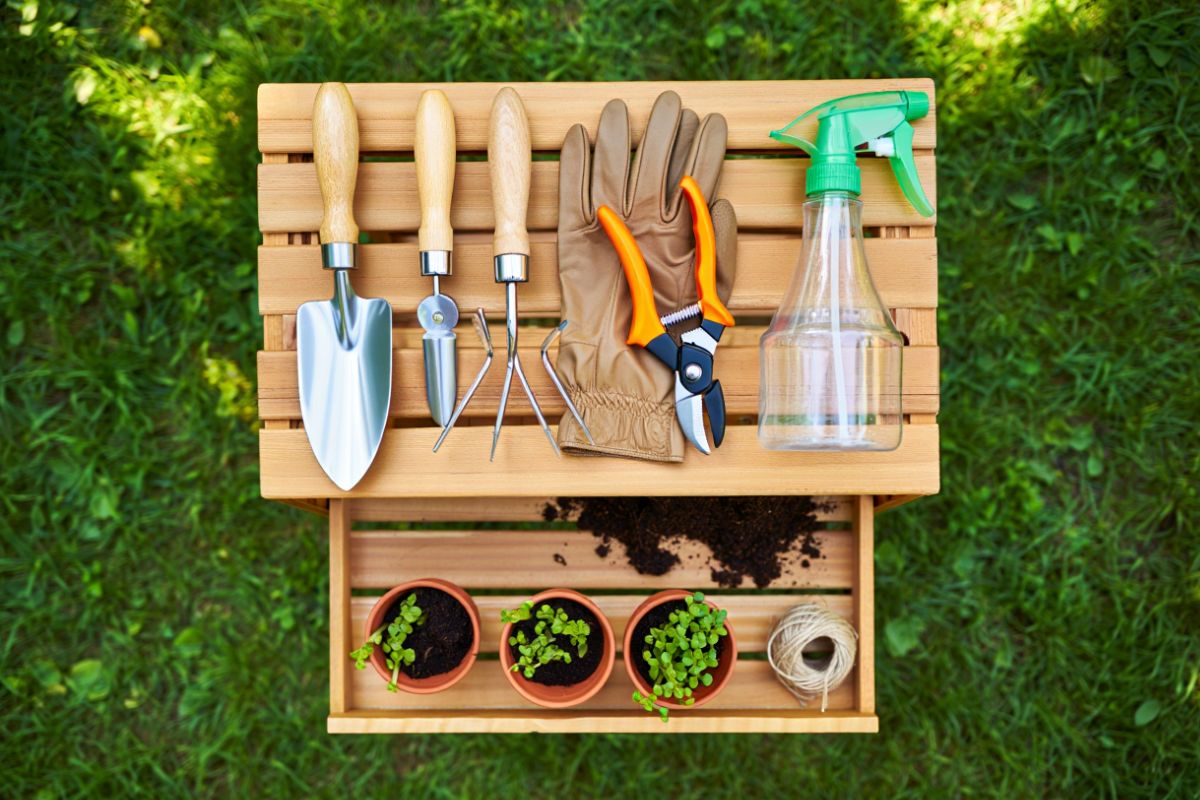
A complete gardening tools garden set ensures you have all the basics at once. Starter kits or kits often bundle together the most common hand tools and accessories. A typical beginner’s tool set or kit includes a hand trowel, a small spade or shovel, a hand rake or cultivator, pruning shears, and a pair of protective gloves. For example, experts at the University of California Master Gardeners list must-have tools like a trowel, hand pruner, gloves and a pruning saw. Many commercial sets include these items in one package, so you won’t overlook an important tool. Getting a garden tool kit or set can be convenient and cost-effective, especially for new gardeners who aren’t sure what to buy first.
Here are some key tools that every beginner should have:
- Garden Tool Set/Kit: A gardening tools garden set or kit bundles all the essentials. It typically contains tools like a hand trowel, cultivator (mini-fork), small rake, pruning shears, and gloves. Having a set means you start with a coordinated kit of tools suited for basic tasks. Many kits also include a carrying tote or case. Starting with a complete set ensures you won’t need to search for missing items later.
- Garden Gloves: Durable gardening gloves are one of the most important items. A good pair of gloves protects your hands from thorns, sharp objects and dirt. They should fit well (not too loose) and be breathable and water-resistant. Look for gloves with a longer cuff to protect your wrists and forearms. Always wear gloves when digging or handling plants to prevent cuts and blisters.
- Hand Trowel: A hand trowel (also called a planting trowel) is essential for digging small holes, transplanting seedlings, and potting plants. Choose one made of strong metal (stainless steel or carbon steel) with a comfortable handle. A common size is about 10–14 inches long (handle plus blade). The trowel’s pointed blade makes it easy to break ground in tight spaces or containers. It’s ideal for planting bulbs, seedlings and bulbs, as well as for weeding in narrow areas.
- Garden Fork: A garden fork (digging fork) has sturdy tines that break up and aerate soil better than a spade. Use it to turn over heavy or clay soil, mix in compost, or uproot plants and weeds. Garden forks often have four slightly curved tines. When shopping, look for a strong, straight fork with a good grip. Forking over the soil before planting improves drainage and root growth.
- Garden Hoe: A hoe is useful for cultivating soil and removing weeds on the surface. It typically has a flat, sharp blade on a long handle. Beginners use a hoe to chop out weeds or to break up crusted soil. By slicing just under the surface, a hoe uproots many weeds quickly. Common types include the standard draw hoe (blade perpendicular to handle) or a scuffle hoe (push-pull action). A hoe is one of the simplest yet most effective gardening tools garden hoe beginners need for weeding.
- Garden Rake: A garden rake helps level soil and clear debris. There are two types: the bow rake (stiff, short metal tines) and the leaf rake (fan-shaped, flexible tines). The rigid bow rake is great for spreading soil, gravel or mulch, while a leaf rake is good for gathering leaves and light debris. As UC experts note, look for a rake with steel tines and a long handle (at least 48–50 inches) for efficiency. A proper [gardening tools garden rake] keeps beds smooth and clean.
- Garden Shovel: A shovel (often called a digging shovel) has a pointed, curved blade and is used for digging larger holes or scooping soil. It differs from a spade by having a broader, rounded blade. Shovels are perfect for planting small trees, moving soil or lifting compost and mulch. Choose a round-point shovel with a forged steel blade and a full-length handle. The shovel’s wide scoop works best for loose material and general digging tasks.
- Garden Spade: A spade has a flat, rectangular blade and is ideal for more precise digging and edging. Use a spade for cutting clean edges along garden beds, digging straight trenches, and removing sod. Garden spades typically have sturdy, sharpened edges. Look for one with a hardened steel blade and a handle suited to your height. In tight spaces, a short-handle spade (18–24 inches) can be easier to handle.
- Pruning Shears (Hand Pruners): Also called secateurs, pruning shears are indispensable for cutting stems and small branches. A good pair of shears lets you trim plants cleanly. There are two main types: bypass (scissor-like) and anvil (blade meets flat surface). Bypass pruners are best for live plants, while anvil pruners work on dead wood. Garden Design recommends bypass pruners for most trimming because they give clean cuts without crushing plant tissue. Look for pruners with hardened steel blades and ergonomic handles. Regularly sharpen them to maintain cutting efficiency.
Each of these tools in a beginner’s kit plays a specific role. By having gloves, a trowel, fork, hoe, rake, shovel, spade, and pruners, you’re equipped for most basic gardening tasks. For more guidance on assembling your toolkit, see the UC Master Gardeners’ essential tools guide or Garden Design’s list of must-have beginner tools for additional examples.
Image: A garden trowel, pruning shears, saw, and gardening gloves laid on mulch (examples of essential gardening tools for beginners).
How to Choose a Gardening Tool Set
When shopping for a gardening tools garden set, quality and fit are key. Here are some tips to pick the right set or kit:
- Material and Durability: Look for tools made of stainless steel or heavy-duty carbon steel, as these resist rust and bending. Forged steel blades and heads last longer than stamped metal. The UC Master Gardener guide recommends hardened steel blades on pruners and spades for strength. Check that rivets and joints are solid.
- Ergonomic Handles: The handles should feel comfortable. Many tools now have cushioned, non-slip grips to reduce hand fatigue. An ergonomic shape and the correct length for your height make a big difference. For example, shovels and rakes should be long enough that you don’t have to stoop too much (aim for handles reaching between elbow and chest level).
- Fit and Weight: A tool that is too heavy or too big will be tiring to use. Choose tools that match your body size. If you’re smaller or gardening in raised beds, a shorter trowel or hand tools with smaller grips may be better. Try to lift and swing the tools (if you can in the store) to judge comfort.
- Comprehensive Kit: Consider what’s included. Basic sets usually have a trowel, transplanter, hand rake, weeder, cultivator, and gloves. Some include extras like a small hoe or pruner. Make sure the set contains the items you need most often. If you already own one tool (say you have a shovel), you might opt for an individual tool instead. But for true beginners, an all-in-one kit is convenient.
- Brand and Reviews: While brand isn’t everything, reputable gardening brands often produce higher-quality kits. Look for customer reviews mentioning durability and comfort. Avoid very cheap plastic-handled sets that break easily.
- Storage: Sets often come with a tote bag or storage case. This makes it easier to keep tools organized and transports them to the garden. A bag with pockets for small tools is a nice bonus.
By following these guidelines, you can find a gardening tools garden set that suits your budget and gardening style. For example, the UC extension site and Garden Design recommend starting with mid-priced tools of proven materials and buying a set that covers all bases.
Caring for Your Gardening Tools
Proper maintenance will keep your tools in top shape for many seasons. Follow these care tips:
- Clean after Use: Remove soil and plant residue as soon as you finish. Use a stiff brush or water to clean blades and tines, then dry completely to prevent rust.
- Sharpen Blades: Keep cutting edges sharp. Dull shears and blades require more effort and can damage plants. Pruning shears and shovels should be sharpened at least annually.
- Oil Moving Parts: For pruners or loppers, apply a drop of oil (like WD-40 or machine oil) to the hinge to prevent stiffness or rust.
- Inspect and Repair: Check handles and blades for damage. Replace cracked handles or loose parts. Tighten screws on shears and replace worn washers as needed.
- Store Properly: Hang tools or keep them in a dry shed or garage. Avoid leaving metal tools in rain or damp ground. Consider using blade covers or sheaths for safety.
Routine care not only extends the life of your tools, but also improves performance. As Garden Design notes, sharpening pruners regularly gives cleaner cuts and less strain. Clean tools are less likely to carry plant diseases, so make cleaning part of your regular garden cleanup routine.
Safety Tips for Using Garden Tools
Safety should never be overlooked. Follow these guidelines when working in the garden:
- Always wear gloves when digging or pruning to protect against cuts, splinters, insects and irritants.
- Use the correct technique: for example, keep your back straight and bend at the knees when lifting heavy shovelfuls to avoid injury.
- Be mindful of others: keep tools with sharp points or blades facing down when walking and communicate with fellow gardeners.
- Store tools in a safe place out of children’s reach.
- Keep tools sharp and in good repair – a dull tool can be more dangerous because it requires extra force.
- If using power tools (not covered here), always read the instructions and wear eye protection.
By respecting safety and using tools correctly, you can enjoy gardening with less risk of injury.
Conclusion
Choosing the right gardening tools garden set empowers beginners to start strong. A good tool kit – with items like gloves, a trowel, fork, shovel, and pruners – makes planting, digging, and pruning much easier. Remember to select durable, ergonomic tools and maintain them well. With these essentials and tips, any new gardener can tackle their first garden with confidence. Enjoy growing your plants, and happy gardening!
FAQs
Q: What gardening tools should I start with as a beginner?
A: Start with the basic essentials: a sturdy pair of gloves, a hand trowel, a small shovel or spade, a garden fork, pruning shears, and a reliable rake. These cover most entry-level tasks (planting, digging, weeding, pruning). Many starter gardening tools garden kit include exactly these items. As you gain experience, you can add more tools (like a hoe or loppers) to your collection.
Q: How do I maintain my garden tools?
A: Always clean tools after use (wash off dirt and dry them) to prevent rust. Sharpen blades and cutting edges regularly – for example, sharpen pruners and shovels at least once a year. Apply light oil to any moving parts and inspect handles for cracks. Store tools in a dry, safe place between uses.
Q: What’s the difference between a garden spade and a shovel?
A: A garden spade has a flat, rectangular blade used for cutting and edging soil (like slicing into turf or digging straight trenches). A garden shovel has a pointed, curved blade (rounded at the tip) used for digging and scooping loose material. In short, use a spade for more precise digging and edges, and a shovel for moving soil or digging bigger holes.
Q: Are tool kits worth it, or should I buy tools individually?
A: For beginners, a garden tool kit can be very convenient and often cost-effective. Kits bundle all the essentials, so you won’t forget any key tool. If you have very specific needs (e.g. only raised beds, only vegetables), you might choose individual tools instead. But most novices will find a gardening tools garden set gives everything needed to start.
Q: How can I keep my gardening tools safe and long-lasting?
A: Store tools in a dry shed or garage. Hang them or keep them off the ground to avoid moisture. Use blade covers if provided. Every season, clean and sharpen them. Treat wooden handles with linseed oil once a year to prevent drying and cracking. A little regular care goes a long way toward extending the life of your tools.
Q: Where can I find more information on choosing gardening tools?
A: Many extension services and gardening sites offer guides. For instance, the UC Master Gardeners have a useful tools guide. Garden Design magazine also published a 12 Essential Tools for Beginners article that aligns with these recommendations.
Q: What should I look for in gardening gloves?
A: Choose gloves that fit well (not baggy) and are made of tough fabric. Leather or synthetic gloves with reinforced palms are great for heavy work. Look for breathable, water-resistant material and longer cuffs to protect wrists. Having at least one durable pair of gloves is crucial for protecting your hands from cuts and blisters during all tasks.
Q: How do I choose the right size of tools?
A: Tool size should match your body and space. If you’re short, consider shorter handles or youth-sized tools so you don’t overreach. Taller gardeners should use full-length handles. For hand tools, the handle should feel comfortable in your grip. For example, a 10–14 inch hand trowel and a 48-inch shovel are typical, but choose what feels balanced and easy to use for you.
